
Not every stubborn lock needs replacing. Metro Lock Solutions diagnoses the actual issue first, then repairs it with precision, saving Coorparoo homeowners the cost of swapping out hardware that can still be fixed.
We respond fast, use safe non-destructive entry methods, and treat every home with the care it deserves. Our verified technicians make sure you’re back inside quickly and securely, every time.
A lock that’s playing up can hold up your whole morning, so Metro Lock Solutions prioritises fast bookings across Coorparoo and gets to diagnosing the issue straight away.
If your existing lock can genuinely be saved, that’s the option we’ll put forward first.
Identification always comes before the toolbox opens. Our Coorparoo technicians follow this on every single repair, so you know exactly who’s handling your home’s security.

Warmer, more humid stretches can cause a timber door to swell slightly, putting pressure on the lock and making it harder to turn even though the mechanism is fine. This often gets mistaken for a failing lock. Our technicians assess both the door and lock to find the real cause. This is especially common on older Coorparoo homes with original timber doors. Reliable repair addresses the actual issue rather than just the symptom.
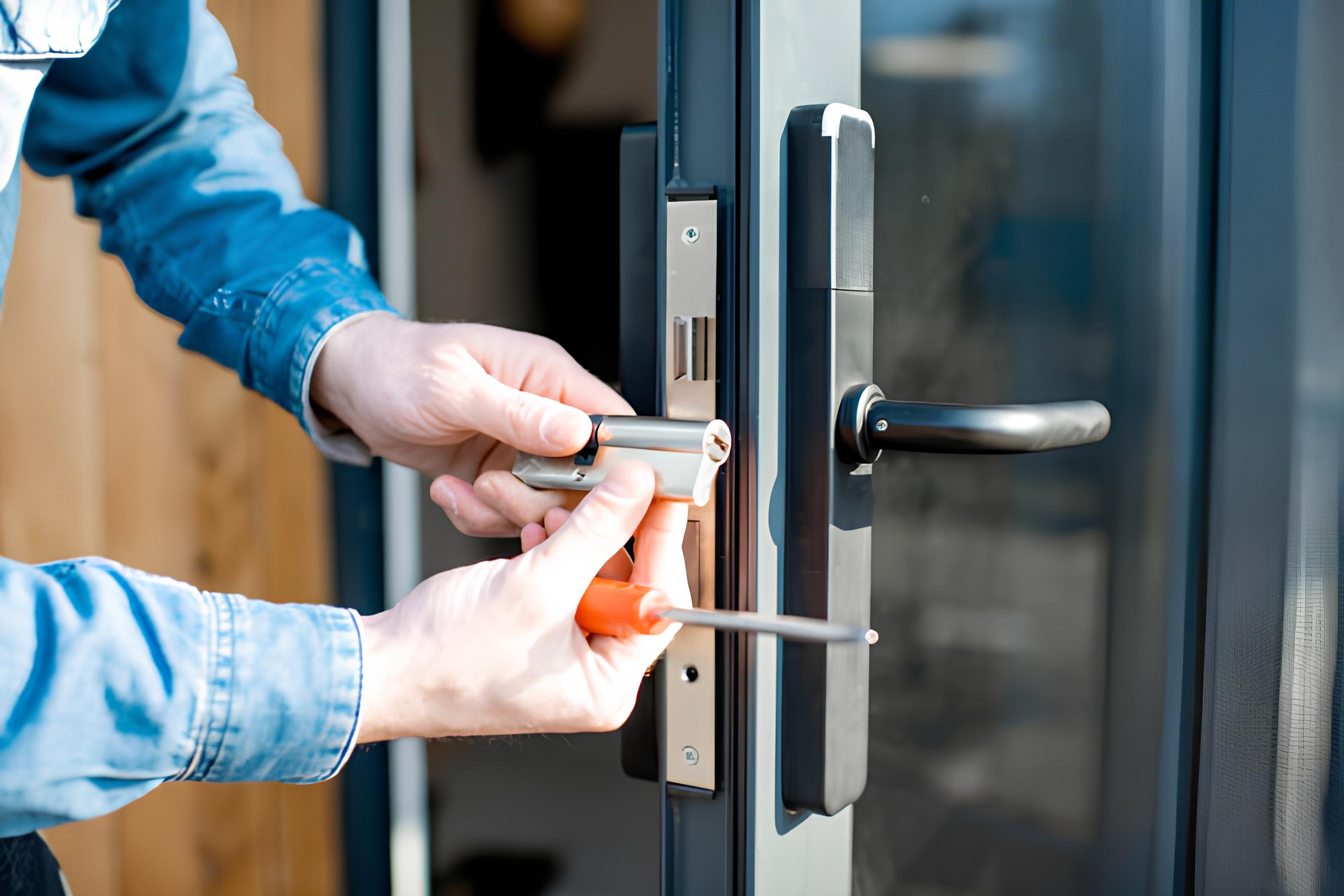
A lock repaired previously with lower-quality generic parts can wear out considerably faster than expected, leading to the same issue resurfacing sooner than it should. This is a common outcome of budget quick-fixes. Our technicians use proper components suited to your specific lock. This is especially common in locks that have been patched up multiple times before. Reliable repair work means the fix genuinely lasts this time.

Using the wrong type of lubricant, like household oil instead of proper lock lubricant, can actually attract dust and grime, gumming up the internal mechanism over time. This often makes a lock worse rather than better. Our technicians clean and properly lubricate the mechanism correctly. This is especially common in locks that have been “helped” with a quick spray at home. Reliable repair restores smooth, lasting function.

A lock that was pried at or forced during an earlier break-in attempt can develop hidden internal damage that only shows up as stiffness or resistance later on. This isn’t always obvious right away. Our technicians inspect thoroughly for this kind of hidden wear. This is especially common in homes that have experienced any prior security scare. Reliable repair restores genuine, dependable security going forward.
Every struggling lock eventually raises the same question: is this worth repairing, or does it genuinely need to be replaced? Rather than guessing, it helps to understand the real difference before booking anyone out — and to know what a proper diagnosis actually looks like, since getting it wrong either way usually means paying for work you didn’t need.
A key that’s always been a touch stiff isn’t necessarily cause for concern. A key that’s suddenly become noticeably harder to turn over the past week or two usually signals something actively worsening. A lock that feels physically loose in the door, wobbling slightly when touched, points toward a hardware or frame issue rather than the internal mechanism — and that distinction changes what kind of repair is actually needed.
A rushed technician might hear “the key’s sticking” and jump straight to replacing the whole cylinder without a second thought. A more careful approach involves genuinely testing the lock — checking for debris buildup, testing alignment with the strike plate, feeling for specific resistance points — before deciding whether it’s a clean-out, an alignment fix, or genuinely time for new hardware altogether.
A surprising number of “lock problems” aren’t really about the lock at all. Homes settle gradually over the years, and that subtle shift can throw a door’s alignment off just enough that a perfectly functional lock starts struggling to engage properly with the strike plate. Adjusting the strike plate’s position often solves the whole issue without needing to touch the lock itself.
A lock that’s been pried at might still turn and lock normally on the surface, while carrying hidden internal damage that quietly weakens its actual resistance to a second attempt. Any lock showing signs of tampering deserves a proper, thorough inspection, regardless of whether it still seems to function.
A malfunctioning lock doesn’t automatically mean an expensive replacement is required. In plenty of cases, a careful, well-diagnosed repair restores full function at a fraction of the cost. Our lock repair service across Raceview is built on accurate diagnosis and honest recommendations — the kind of approach that actually solves the problem, rather than papering over it for a few weeks before it inevitably comes back again.
Same-Day Appointments Available

In most cases yes, though extra care is needed to avoid further obstructing the mechanism during the repair.
This usually points to humidity-related swelling in the door or moisture affecting the internal mechanism, both fixable with proper repair.
A properly repaired lock should feel smooth and consistent. Ongoing stiffness after a repair is worth having reassessed.
Sometimes — if the issue is alignment-related. If it's a structural door problem, that may need separate attention.
Yes, internal mechanisms vary between brands and models, which is why proper identification of the lock type matters before repair begins.
